Steel is strong, versatile, and widely applicable, but without the right protection, it is also vulnerable. After all, moisture and oxygen can cause corrosion. Chemicals, salts, and fluctuating temperatures can accelerate this process or place extra stress on the protective coating. This not only leads to a less attractive appearance but can also affect the lifespan, safety, and maintenance costs of a structure over time.
Preserving steel is therefore about more than just applying a layer of paint. A good liquid coating system protects the substrate, aligns with the operating conditions, and continues to perform throughout the desired maintenance period.
Steel preservation is the protection of steel against degradation, with corrosion being the primary risk. As soon as steel comes into contact with moisture and oxygen, it can oxidize. In industrial environments, salt, chemicals, temperature fluctuations, and mechanical stress can also accelerate this process. Without appropriate protection, this can lead to surface damage, additional maintenance, and ultimately the degradation of the structure.
When preserving steel, a coating system is used to form a barrier between the steel substrate and external influences. Depending on the situation, such a system consists of one or more layers. The chosen buildup must not only protect against corrosion but also suit the desired lifespan, application, and appearance.
The type of steel preservation required depends on the circumstances. A structure in a dry indoor space requires a different approach than steel located outdoors and exposed to rain, UV radiation, and temperature fluctuations. Specific requirements for the paint or coating also apply in humid indoor areas, chemically stressed production environments, or high-temperature applications.
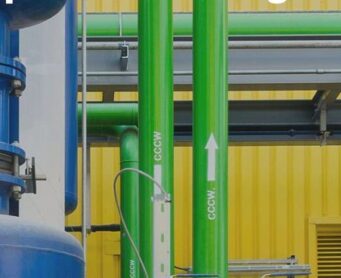
With liquid coatings, a coating system can be precisely tailored to the application and the conditions in which the steel is used. This makes this method suitable for a wide range of industrial objects, such as machinery, piping, steel structures, containers, installations, and parts regularly exposed to wear or weather influences.
Key benefits of liquid coatings in steel preservation:
The quality of the finish always depends on the total picture: the substrate, the preparation, the chosen system, and the application process. By properly coordinating these elements, a durable steel preservation is created that meets practical requirements.
To select the right preservation system, it must first be clear what the steel will be exposed to. The environment, load, and desired lifespan together determine which pretreatment and layer buildup are necessary.
Pay attention to the following points, among others:
Based on these factors, it is determined whether a primer, intermediate coat, and topcoat are required. In a dry indoor space, a primer is not always necessary, whereas an anti-corrosive primer is generally required in humid areas and for outdoor applications.
The application process also deserves attention. A well-chosen liquid coating system only performs optimally when the substrate is properly prepared and the coating is applied under the right conditions. This ensures that the product, layer buildup, and application align well with practical use.
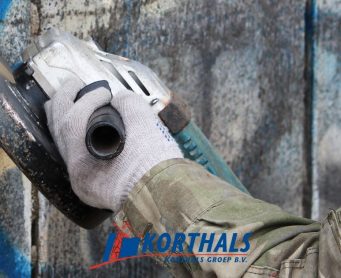
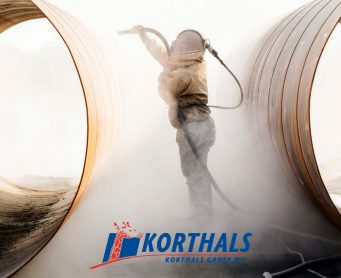
For a good result, the steel must be clean, dry, and stable. Rust, mill scale, dirt, grease, salts, and loose old paint layers can interfere with the system’s adhesion. Depending on the condition of the steel, pretreatment may consist of degreasing, cleaning, sanding, blasting, or localized repair of damage.
The primer forms the bond between the steel and the midcoat or topcoat. Additionally, this layer can contribute to corrosion protection. For steel in a dry indoor space, a primer is not always necessary. In humid indoor spaces, an anti-corrosive primer is generally recommended. For outdoor steel structures, a primer is always required in practice due to the influence of moisture and weather conditions.
An intermediate coat builds up extra layer thickness and strengthens the system’s barrier function. This provides the steel with better protection against moisture and other stressful influences. In harsher conditions or for a longer desired maintenance period, this layer is often a vital part of the system.
The topcoat is the visible final layer and determines the color, gloss level, and appearance. Furthermore, this layer protects the underlying system against influences such as moisture, dirt, chemicals, and temperature fluctuations. UV radiation does not affect the steel itself, but it can affect the topcoat over time, for example through discoloration or loss of gloss. Therefore, choose a topcoat that suits the conditions, ensuring the system stays beautiful longer and retains its protective function.
In industry, steel rarely faces only one type of stress. A structure may, for example, be exposed to moisture, temperature fluctuations, chemicals, intensive use, or specific requirements for visibility and finish. That is why steel preservation often requires more than a standard buildup. By tailoring the paint layers and properties specifically to the application, a solution is created that effectively combines protection and practical usability.
Korthals Paint Factory combines expertise in industrial coatings with the ability to tailor coatings to specific requirements. From color and gloss level to special properties such as heat or chemical resistance: this results in a finish that suits both the object and its use.
Durable steel preservation begins with the right analysis and system choice. Do you want to protect steel against corrosion, weather influences, or specific industrial stress? Please contact Korthals for technical advice on a liquid coating system that suits your application.
Get in touch
Publication date: 2026-11-04
Category: News